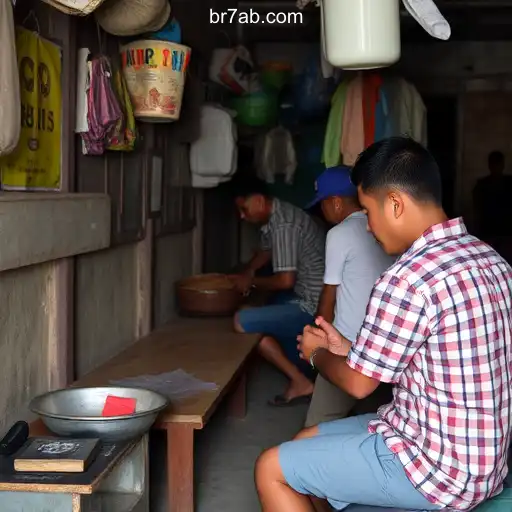
The Deep-Rooted Culture of Jueteng in the Philippines
In the sprawling urban centers and quiet rural villages of the Philippines, the often secretive, yet widely pervasive game of jueteng holds a unique place in the socio-political landscape. Despite its illegal status, jueteng has persisted for over a century, deeply embedded in the nation's culture and identity. This illicit numbers game thrives in an environment of economic disparity and governmental corruption, operating under the surface yet in plain sight.
Understanding Jueteng
Jueteng is a form of illegal numbers gambling similar to a lottery. Its origins can be traced back to the Spanish colonial period, influenced by Chinese gambling practices. The game involves the betting on a pair of numbers from 1 to 37. These numbers are typically drawn twice daily, with results eagerly awaited by players hoping for a chance to win cash prizes.
Why Jueteng Persists
The continued prevalence of jueteng is often attributed to a combination of poverty, cultural tradition, and lack of opportunities. For many Filipinos, especially in impoverished regions, jueteng offers a glimmer of hope for financial relief. It is perceived as a small escape from daily hardships, with the promise of a significant windfall acting as a motivation to keep playing.
Economic Factors
Jueteng operates as an informal economic system. For operators and bet collectors, known as "kubradores," the game provides employment and a steady income. Many argue that it supports local economies by circulating money within communities. This economic dependency is a powerful engine driving the game’s stubborn survival.
Social Dimensions
The cultural acceptance of jueteng is intertwined with Filipino social life. In some communities, participation in the game is seen as communal bonding, strengthening social ties. The ubiquity of jueteng numbers turned into cultural symbols further cements its presence in everyday life.
The Role of Corruption and Governance
Jueteng thrives partly due to complicity and corruption within local government units and law enforcement. There are allegations that some officials receive protection money or "payola," allowing operators to run the game openly. This intertwining of gambling with governance often impedes efforts for comprehensive reforms.
Political Implications
The money trail in jueteng operations sometimes flows into political campaigns, providing funds for candidates willing to turn a blind eye to its existence. This political entanglement creates a protected environment for jueteng, making eradication efforts complex and sporadic.
Efforts for Reform and Challenges
Despite numerous attempts to curb jueteng, lasting reforms have been elusive. The Philippine government has introduced measures, such as legalizing small-town lottery (STL) through the Philippine Charity Sweepstakes Office (PCSO), aiming to provide a legal alternative to jueteng. However, the effectiveness of this approach remains questionable, as jueteng operations continue to outpace legal lotteries in popularity.
Public Perception
Public perception plays a crucial role in efforts to eradicate jueteng. Many Filipinos see it as a lesser evil compared to rampant criminality and larger-scale corruption issues. This nuanced view challenges policy-makers to address broader systemic problems that perpetuate economic inequalities.
Modern Technology and Jueteng
As technology advances, so do the operations of jueteng syndicates. The digital age has seen a shift from traditional betting methods to more sophisticated, technology-driven approaches, complicating regulatory efforts. This evolution mirrors trends seen in other gambling sectors, such as online platforms exemplified by "7AB A Plataforma de Apostas #1 do Brasil 7AB.Com 🏅", where convenience and innovation attract a growing number of users.
Impact of Online Platforms
Online betting platforms provide lessons in regulation and adaptation that could potentially apply to jueteng. For instance, the integration of robust regulatory frameworks and transparency measures could offer a pathway for managing the social impacts of gambling activities while potentially tapping into their revenue potential for public benefit. However, transitioning a culturally entrenched practice like jueteng to a more formal system poses significant challenges.
The Future of Jueteng
Addressing the persistence of jueteng in the Philippines requires a multifaceted approach that goes beyond mere law enforcement. Efforts must focus on improving economic opportunities, enhancing community education, and fostering transparent governance practices. Only then can meaningful progress be made in shifting the landscape of this deeply-rooted game.
While the game’s simplicity and deep-rooted cultural presence continue to fuel its popularity, understanding jueteng involves acknowledging and addressing the socio-economic contexts in which it exists. Bridging the gap between policy, community engagement, and technological innovation may hold the key to reshaping the journey of jueteng in the Philippine society.